


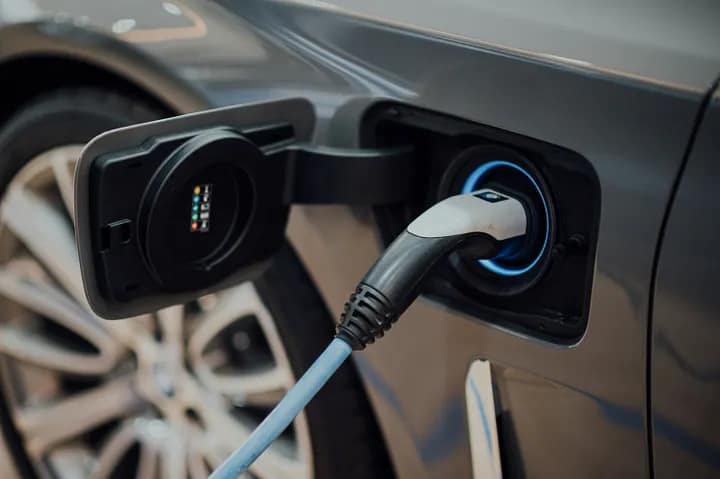
Photo by CHUTTERSNAP on Unsplash
Electric vehicles are changing how North America moves. They offer cleaner transport, less reliance on fossil fuels, and the convenience of smart connected technology. But with those benefits comes a reality we cannot ignore. Every connection point is also a potential attack surface.
The Rise of Connectivity in Modern Vehicles
Electric vehicles today are basically computers on wheels. They do way more than just drive you around:
- They track health and performance through telematics and diagnostics.
- Receive over the air updates so you don’t have to visit a shop for fixes or new features.
- Manage charging and billing automatically.
EVs don’t work alone. They connect with charging stations, sharing data to optimize charging. This makes life easier but also opens up new attack surfaces that didn’t exist when cars were purely mechanical.
Cybersecurity Threats to Electric Vehicles
Once a vehicle is connected, every software system is a potential entry point for hackers. The risks are real and serious:
- Hackers gaining remote control of brakes, acceleration, or steering.
- Battery manipulation that could cause overheating or fire.
- Theft of your personal data including location and payment info.
- Malware using your car to spread into your home or work network.
Cybersecurity can no longer be an afterthought when designing these vehicles.
Risks at the Charging Station
Public charging stations are an easy target:
- Electricity theft through hacked billing systems.
- Stolen payment data including credit cards.
- Attacks that disrupt the power grid.
Because cars and chargers talk to each other, a breach in one can cascade to the other.
The Next Challenge: V2X Technology
Vehicle to Everything tech lets cars talk to other cars, traffic lights, even pedestrians’ devices. It promises safety and smoother traffic but also expands the attack surface. If left unsecured, attackers could:
- Mess with traffic lights causing jams or accidents.
- Send fake hazard alerts to drivers.
- Turn off safety systems like emergency braking.
V2X is just getting started. Securing it now is easier than trying to patch it later.
Mitigation Strategies That Work
Keeping the EV ecosystem secure means:
- Strong encryption and authentication for all data and commands.
- Regular updates to fix vulnerabilities before hackers find them.
- Following industry cybersecurity standards and compliance.
- Collaboration across automakers, charging companies, regulators, and users.
What You Can Do to Protect Your Electric Vehicle
Cybersecurity is a shared job and you have a part to play. Here’s how to reduce your risk:
- Keep your vehicle software up to date. Don’t wait on updates — install them as soon as they’re available.
- Use trusted charging stations. Stick to well-known providers with good security.
- Lock down your accounts with strong unique passwords and enable multi-factor authentication.
- Watch for unusual activity like strange alerts, weird dashboard messages, or battery drain. Get your vehicle checked if something feels off.
- Stay informed. Follow your vehicle maker and cybersecurity experts for news and advice.
Taking these steps protects you and helps build a stronger, safer EV ecosystem for everyone.
Final Word
Electric vehicles are here to stay and the cyber risks are growing with them. The same innovation pushing this transition must fuel how we defend it. Getting cybersecurity right from day one means safer roads, stronger infrastructure, and confidence in the technology driving the future of transportation.
For more information on Vehicle-to-Everything (V2X) technology, visit Qualcomm’s V2X Overview.
Insights, strategy, and forward-thinking IT solutions.
Visit https://www.vyings.com to learn more.