


Why Every Organization Must Live by the 3–2–1 Backup Rule
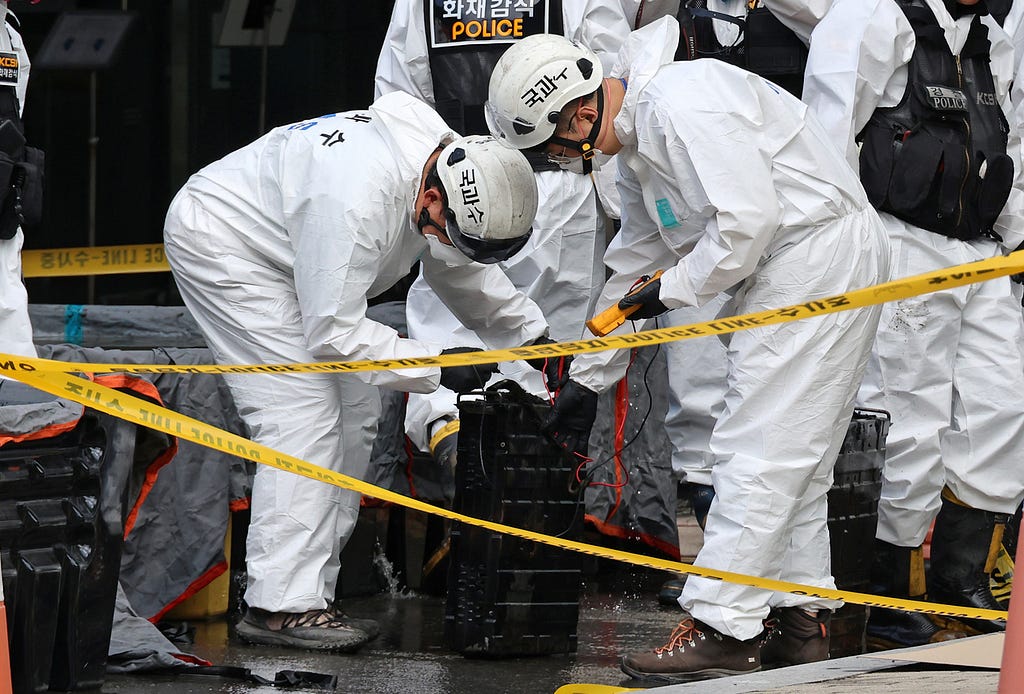
In September 2025, South Korea’s National Information Resources Service (NIRS) suffered a catastrophic lithium battery fire. The explosion triggered a chain reaction that shut down 647 government systems, permanently destroyed 96, and wiped out seven years of public servant records stored in the centralized G-Drive.
No external backups. No recovery. No excuses.
This wasn’t a freak accident. It was a strategic failure, one that every SMB and enterprise should study closely.
Centralization Without Redundancy Is a Trap
South Korea mandated that all civil servants store files in G-Drive. Local storage was prohibited. The intent was control. The result was collapse.
When the fire hit, G-Drive went down. Permanently. No offsite backups. No cloud failover. Just silence.
This is what happens when efficiency overrides resilience.
The 3–2–1 Backup Rule: The Law of Data Survival
Every IT leader knows it. Too many ignore it.
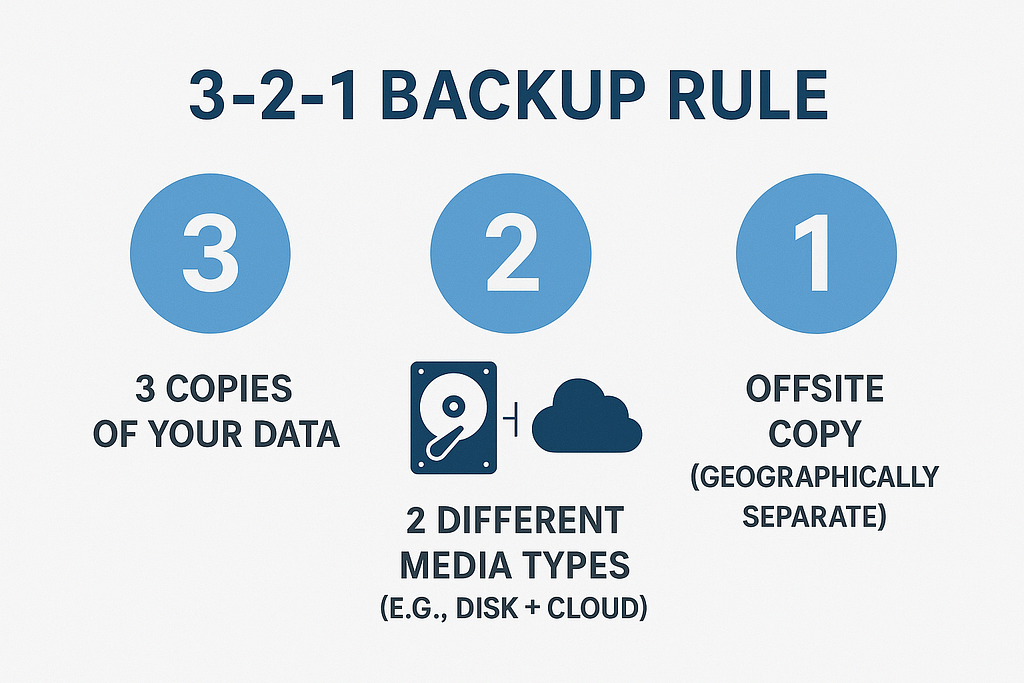
The Rule:
- 3 copies of your data
- 2 different media types (e.g., disk + cloud)
- 1 offsite copy (geographically separate)
South Korea had 1 copy, on 1 medium, in 1 location. That’s not resilience. That’s negligence.
What SMBs and Enterprises Must Do Now
This isn’t just a government problem. It’s a business continuity issue for every organization that thinks backups are a checkbox.
1. Backups must be redundant, not convenient
- Centralized systems simplify access but amplify risk.
- Build distributed, automated backup pipelines.
2. Compliance ≠ Continuity
- Regulatory mandates often focus on access control, not recoverability.
- Your DR strategy must go beyond audit checklists.
3. Lifecycle management is critical
- The lithium batteries were over a decade old.
- Aging infrastructure is a silent threat. Track it. Replace it.
4. Disaster recovery is a leadership issue
- DR isn’t just IT’s problem, it’s a board-level concern.
- Ask your team: Can we recover from a total loss in 24 hours?
Avoiding Your Own G-Drive Moment
The 3–2–1 rule is the bare minimum. If you’re serious about resilience, go further:
- Immutable backups to prevent ransomware tampering
- Air-gapped storage for critical systems
- Automated DR testing to validate recovery paths
- Cloud-native failover for real-time continuity
Final Thought: Resilience Is Built, Not Assumed
The South Korean fire wasn’t just a technical failure, it was a strategic blind spot. In a world where data is mission-critical, backup architecture is not a back-office concern. It’s a frontline defense.
If your organization isn’t living by the 3–2–1 rule, you’re not backing up. You’re just hoping.
Reference Link
Source: The Korea Herald — Recovery of fire-damaged government systems to take a month [www.koreaherald.com]
Insights, strategy, and forward-thinking IT solutions.
Visit https://www.vyings.com
